
Reading time: 8 minutes
Trustworthiness is one of the moral values that forms the foundation of trust and respect in human relationships. But have you ever wondered how this virtue can be taught to children? Children are like flexible clay that learn their behaviors and values from those around them. Teaching trustworthiness to children is not just a simple moral lesson; it is a process that transforms them into responsible and reliable individuals.
This type of learning can begin with everyday experiences and simple games, teaching children how to take care of other people’s belongings and how to develop a sense of trust and respect in their relationships.
In a world where trust and responsibility are becoming increasingly valuable, teaching trustworthiness to children is not only a duty but also an investment in a brighter future. For more information about children’s trustworthiness, please read this article to the end.
What does trustworthiness mean?
Trustworthiness means the art of taking care of something that has been entrusted to you, just as you would take care of it if it belonged to you. It means that when someone gives you something in trust, you not only look after it carefully, but also value their trust and respect.
Imagine a friend entrusting you with a valuable item for a while; trustworthiness means carefully protecting that precious treasure like a loyal guardian and taking pride in returning it to its owner in perfect condition. This quality creates a deep bond between trust and respect and reflects your character in your relationships with others.
The importance of trustworthiness in raising children
Trustworthiness, as one of the fundamental principles in various cultures and religions, is strongly emphasized. This virtue means preserving and respecting the rights of others and being worthy of their trust.
A child who understands the concept of trustworthiness will be able to fulfill their responsibilities properly, gain the trust of others, and become more successful in social relationships.
The importance of trustworthiness in children’s upbringing lies in its ability to build a strong foundation of character, honesty, and responsibility. It not only strengthens their personal ethics but also fosters trust and respect in relationships with others.
Children who are raised to be trustworthy grow into dependable and responsible individuals. They earn the trust of others and are more likely to be respected in both their personal and professional lives. In this way, trustworthiness plays a key role in improving the quality of social life and building healthier communities.
Ways to teach trustworthiness to children
Teaching trustworthiness to children is an important part of upbringing that helps them learn how to properly protect others’ belongings and the trust placed in them. Trustworthiness not only contributes to shaping a child’s personality but also teaches them how to be responsible and reliable in their relationships. Here are some effective methods for teaching trustworthiness to children:
- Be a practical role model
- Explaining the concept of trustworthiness
- Provide opportunities for responsibility
- Encouraging honesty and respect
- Using games and group activities
- Discussing the consequences of breaking trust
- Creating a safe environment for conversation
- Praising and rewarding trustworthy behavior
- Using real-life examples
- Promoting empathy and understanding
Promoting empathy and understanding
Children learn more than anything from the behavior of adults. If you, as a parent or educator, are trustworthy and responsible, children will also learn these qualities from you.
For example, if you promise your child that you will go to the park on a specific day, you should definitely keep your promise. This behavior shows children how they should stay committed to their own responsibilities and commitments.
Explain the concept of trustworthiness.
Using simple language and understandable stories, explain the concept of trustworthiness to children. You can use everyday examples, such as when a friend lends them something and they need to take care of it carefully and respectfully.
Explain that trustworthiness means protecting things that belong to others and showing respect for them.
Provide opportunities for responsibility
Give children opportunities to take on small responsibilities. These responsibilities can include taking care of their toys, looking after a pet, or keeping their room clean.
When children complete these tasks well, emphasize how these actions help build others’ trust and how they lead to the development of a reliable and trustworthy relationship.
Encouraging honesty and respect in teaching trustworthiness to children
Teach children that honesty and respect are important parts of trustworthiness. When a child acts honestly and respects the rights of others, encourage them and explain that such behaviors help build others’ trust in them.
Using games and group activities
Games and group activities can help children learn the concept of trustworthiness. Activities that require cooperation and trust, such as team games or group tasks, allow children to experience how trustworthiness in practice leads to positive relationships.
Discussing the consequences of breaking trust
To explain the consequences of breaking trust (amanatdari) to children, it is important to use simple and clear language so they can understand the real impact of their actions in daily life.
For example, you can tell them that when someone does not keep their promise or takes carelessness with something entrusted to them, other people may feel disappointed or sad. Gradually, others may stop trusting them or may not rely on them again in the future.
These kinds of explanations help children understand that trust is something valuable that is built slowly and can be lost easily. As a result, they learn why being careful, responsible, and trustworthy is important in their relationships with others.
Creating a safe environment for conversation in order to teach trustworthiness to children.
Create a safe and trustworthy environment for conversation in which children can freely express their feelings and concerns. This helps them understand the importance of trust and naturally learn trustworthy behaviors.
Praising and rewarding trustworthy behavior
When children show trustworthy behavior, praise them and, if appropriate, encourage them with small rewards. This helps them understand the importance of these behaviors and motivates them to continue acting in a trustworthy way.
Using real-life examples to teach trustworthiness to children
Using real and tangible examples, explain the importance of trustworthiness. You can tell the child how trustworthiness can make a difference in different situations in life, such as at school, at home, or among friends.
Promoting empathy and understanding in teaching trustworthiness to children
Promoting empathy and understanding in children is the foundation of teaching trustworthiness. By strengthening these qualities, children not only learn how to properly take care of entrusted items, but also become individuals who respect the rights and feelings of others.
These traits help build healthy and lasting relationships in the future and enable children to grow into responsible and trustworthy individuals in their social and family interactions.
Teaching trustworthiness to children is an important investment in their future, as it helps shape a positive character and successful relationships in life. By using these methods, you can help children grow into responsible and reliable individuals.
Challenges of teaching trustworthiness to children
Teaching trustworthiness to children comes with its own challenges. One of these challenges is children’s limited understanding of complex moral concepts. At a younger age, children may not clearly distinguish between personal ownership and entrusted belongings, which requires clear explanations and practical examples from parents and educators.
a) Children’s limited attention span
Children typically have a limited attention span and may forget over time that they have borrowed something or that they need to return it. Parents should provide regular reminders and help children practice this skill consistently so that honesty and responsibility become lasting habits.
b) Environmental influences
Another important challenge in teaching honesty is the influence of the environment. If children grow up in an environment where moral values such as honesty and trustworthiness are not properly practiced, they may find it more difficult to learn and adopt these values. Therefore, parents and educators should carefully choose children’s educational and social environments and also serve as positive role models by consistently demonstrating ethical behavior themselves.
The role of schools and educational systems in teaching honesty (trustworthiness) to children
Schools and educational systems, as one of the most important educational pillars after the family, play a significant role in shaping and strengthening moral values such as honesty and trustworthiness in children. These environments, through the use of educational programs, group activities, and practical opportunities, can help raise a generation committed to ethical principles.
In the following sections, various roles and tools of schools and educational systems in teaching honesty to children are discussed.
1. Teaching through the curriculum
One of the most fundamental roles of schools in teaching honesty is through the curriculum. Many school textbooks, especially at the elementary level, include lessons on moral principles, with honesty and trustworthiness being among the core values. These textbooks contain stories, activities, and exercises designed to introduce children to the concept of honesty and the importance of being trustworthy.
Teachers can use stories from textbooks or other resources that address the value of honesty and trustworthiness. These stories help children understand the values that honest and trustworthy people uphold and demonstrate the positive outcomes that such behavior brings to both individuals and society.
2. Group activities and hands-on experiences
One of the most effective ways to teach honesty and trustworthiness to children is through group activities and hands-on experiences. By providing practical opportunities, schools can teach children how to be trustworthy and fulfill their responsibilities toward other people’s property and the trust placed in them.
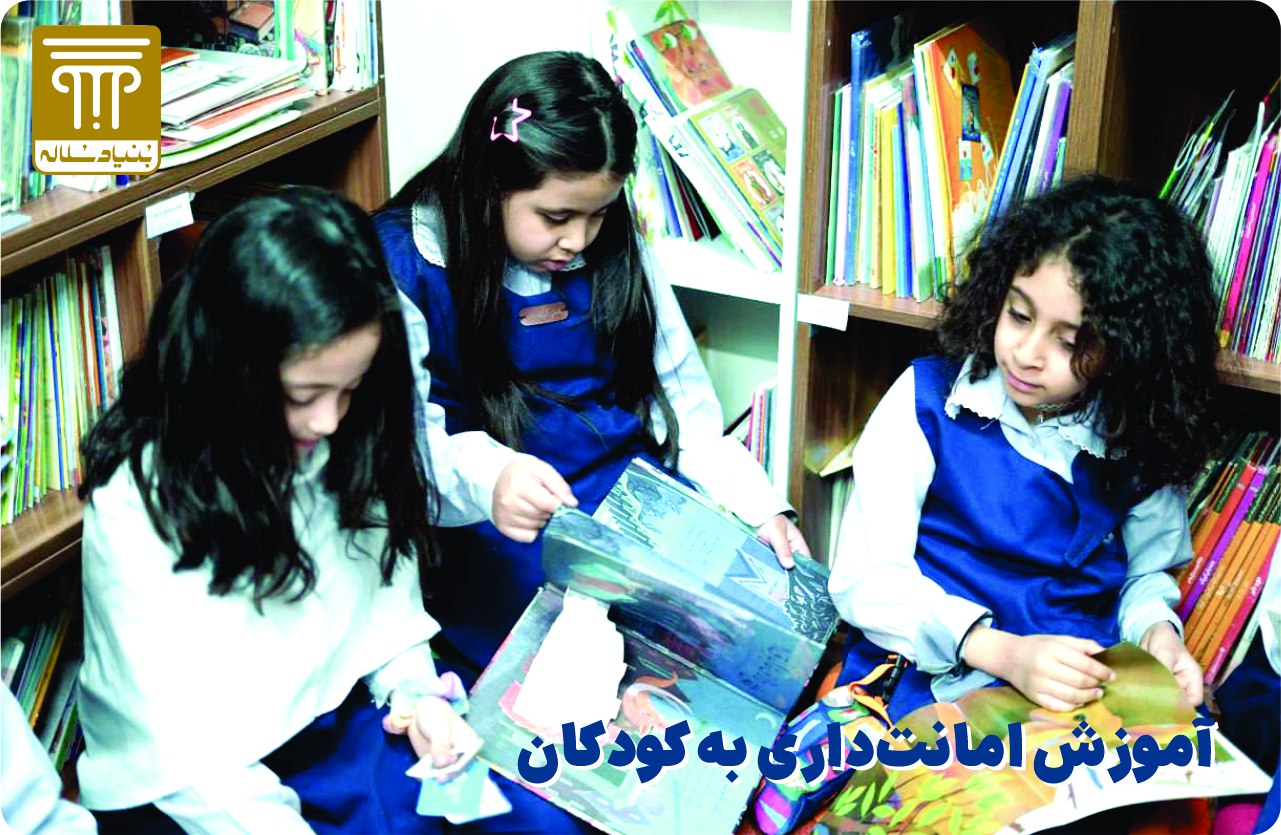
One of the best opportunities for teaching honesty is the school library. When students borrow books, they learn that they are responsible for returning them on time and in good condition. This process teaches children to respect other people’s property and to take responsibility for returning borrowed items.
In many classroom and extracurricular activities, teachers can assign responsibilities to students. For example, students may be entrusted with taking care of sports equipment or classroom materials. These types of activities help children understand the importance of caring for other people’s property and returning it in good condition.
3. Informal education through extracurricular activities
In addition to formal education, extracurricular activities also play an important role in strengthening the value of trustworthiness. Camps, cultural and sports competitions, and other out-of-class activities provide valuable opportunities for informal education in honesty and responsibility.
During school camps, for example, children are responsible for taking care of their own belongings as well as those of others. Teachers and supervisors can use these situations to teach the importance of trustworthiness and help students understand that they must respect and properly handle other people’s belongings and property.
In sports and cultural competitions, children work in different teams and take on various responsibilities. Coaches and teachers can use these competitions as opportunities to teach responsible and trustworthy behavior.
4. Role modeling by teachers and school staff
Teachers and school staff, as behavioral role models for students, play a key role in teaching honesty and trustworthiness. Children often imitate the behavior of adults and their educators; therefore, teachers can indirectly transfer this value to students by demonstrating trustworthy behavior.
If teachers practice honesty in their daily behaviors—such as returning borrowed items to their owners or respecting public property—students will unconsciously model these actions and reinforce them within themselves.
Teachers can also encourage other students to adopt trustworthy behavior by praising and appreciating those who demonstrate honesty. Such encouragement can include verbal praise (focusing on the behavior rather than the student’s personality).
5. Moral education in the educational system
The educational system can play an effective role in teaching and strengthening moral values by designing ethical education programs that include concepts such as honesty, trustworthiness, fairness, and other moral principles. In many countries, school curricula include specific modules dedicated to teaching ethical principles and life skills to children.
Some schools and educational systems have special courses dedicated to teaching life skills and ethics. In these courses, children become familiar with concepts such as honesty and trustworthiness, and through practical exercises and educational stories, they learn these concepts effectively and meaningfully.
Schools can guide students toward internalizing moral values such as honesty and trustworthiness by designing assessment and feedback programs. These programs can include behavioral evaluations and the provision of positive and constructive feedback to students.
6. Cooperation between parents and schools
One of the key factors in the success of teaching honesty and trustworthiness is cooperation between parents and schools. Parents and teachers should work in coordination and teach shared moral values to children.
Continuous communication between home and school can help strengthen moral education and increase its effectiveness. Holding regular meetings between parents and teachers can facilitate the exchange of experiences and the development of a coherent plan for teaching moral values.
In these meetings, important topics such as the importance of honesty and trustworthiness can be discussed, and strategies can be provided to strengthen this value both at home and at school.
Conclusion
In this article, we presented information about the importance of trustworthiness in children and how to teach it. Based on the discussed points, we learned that teaching honesty and trustworthiness to children is highly important, as this moral value forms the foundation for strengthening responsibility and trust in their lives.
Parents and teachers can teach this concept to children through role modeling, educational stories, and group games. Creating real-life situations for practicing trustworthiness—such as borrowing books or tools—helps children better understand the concept of keeping and returning borrowed items.
Encouraging and appreciating trustworthy behavior also helps strengthen this value. Teaching honesty in childhood leads to the development of responsible and trustworthy individuals in the future.
Sources:
آموزش به کودکان در مورد امانتداری
به کودکان یاد بدهیم که امانتدار باشند
راهکارهایی برای پرورش امانتداری در کودکان

Comments