
Reading time: 7 minutes
National identity, as one of the fundamental concepts in human and social studies, has always been the focus of attention and examination. This concept arises not only from the shared values, beliefs, and traditions of a society, but also from the individual’s connection with their social and cultural environment. In this sense, national identity can be seen as a visible mirror through which a person recognizes and distinguishes themselves from others within a specific society.
National identity, with all the complexities and challenges it involves, is rooted in the foundation of an individual’s sense of belonging and attachment to their society. In fact, national identity has always been considered a factor that creates social cohesion and national unity in the face of various challenges, including cultural and economic changes. In this article, we take a closer look at national identity and its role in life.
What is the concept of national identity?
The concept of national identity, as a complex and multidimensional idea, refers to an individual’s understanding of themselves as a member of a society and a national institution. This concept is formed through the combination of cultural, historical, linguistic factors, and shared national values, and is defined as both a collective awareness and an individual identity in relation to the society and culture from which it originates.
Factors shaping national identity
Various factors play a role in the formation of national identity, including culture, language, shared history, religion, politics, and historical experiences. Together, these elements create a comprehensive picture of national identity, which is highly important for every individual within a given society. In the following, each of these elements is examined.
Culture and language
The culture of a society includes all social patterns, beliefs, behaviors, values, and shared knowledge that connect members of that society. Culture can include elements such as art, architecture, customs, foods, clothing, and religious and national events. Language, as one of the fundamental cultural elements, also plays a very important role in shaping national identity, as it allows individuals to fully use it to communicate information, opinions, and emotions.
History and shared experiences
The history of a nation includes all the events, struggles, victories, and defeats that have occurred within a society. The shared experiences of a community, including historical, religious, political, and cultural events, play an important role in shaping national identity. These experiences act as a point of national unity and solidarity and give individuals a sense of belonging to both the past and present of their society.
Shared values
Shared values are those values that connect members of a society to one another. These values include religious beliefs, ethics, civil rights and freedoms, as well as other cultural and social concepts. They give individuals a sense of belonging to society and solidarity with other members, and play an important role in recognizing and defining national identity.
Symbols and signs
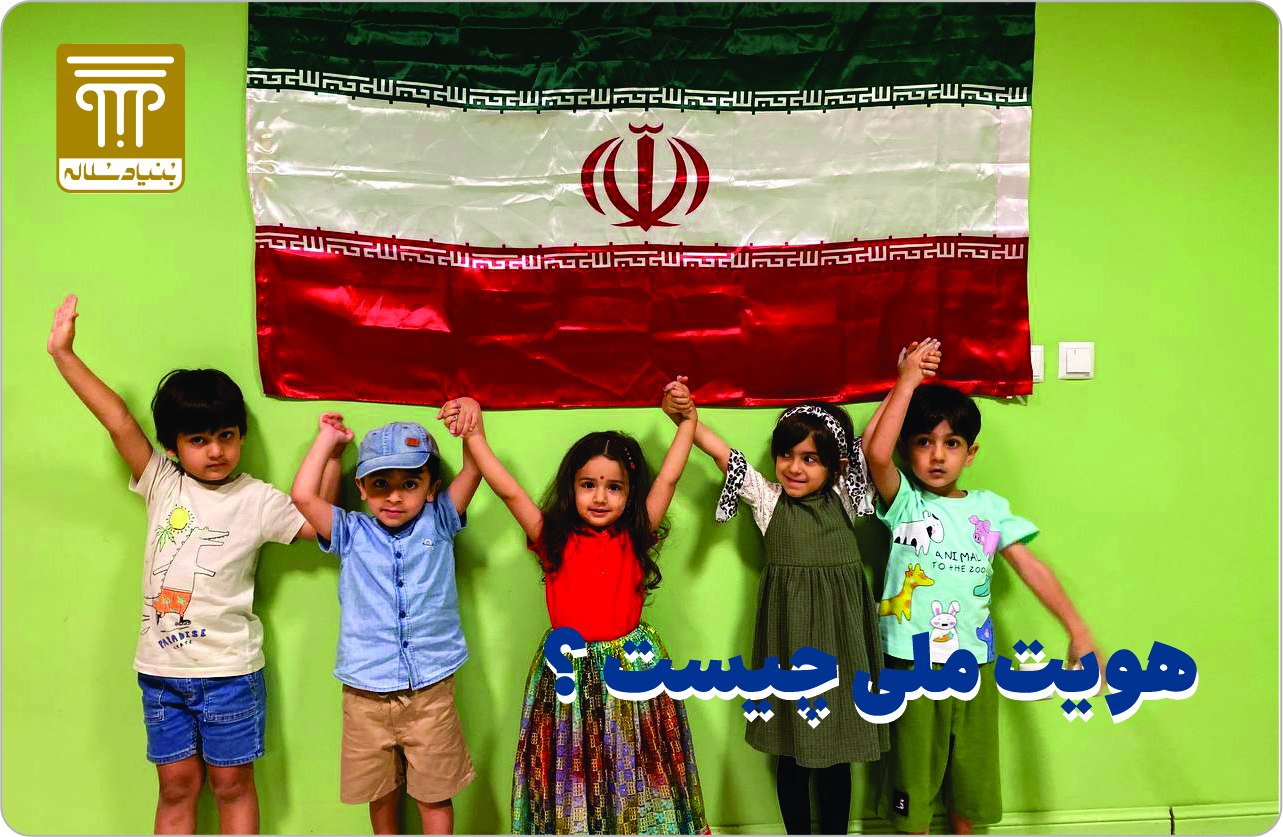
Symbols and signs, including flags, emblems, melodies, and other cultural and national symbols, play a very important role in strengthening national identity. These symbols, as cultural and national representatives, encourage people toward solidarity and motivate them to preserve and promote national identity.
Shared motivations and ideas
Shared motivations and ideas in a society, such as ideals, national goals, and public aspirations, play a very important role in shaping national identity. These motivations and ideas act as guidelines for social and political interactions and strengthen solidarity and cooperation among individuals.
What are the values of national identity?
The values of national identity are a set of values and concepts that help establish and strengthen individuals’ sense of belonging and connection to their society and country. These values play an important role in strengthening social cohesion, reinforcing shared values, and encouraging active participation in social and political life. The main values of national identity are explained in detail below:
- National unity and integration
- Strengthening the sense of belonging
- Preserving history and culture
- Strengthening shared values
- Promoting solidarity and cooperation
- Encouraging civic participation
- Strengthening respect for national existence
- Promoting responsibility
- Promoting pride in national identity
National unity and integration
The main value of national identity is to create a sense of unity and cohesion within society. This feeling helps individuals connect with shared values, goals, and ideals, including a common historical and cultural path.
Strengthening the sense of belonging
National identity gives individuals a sense of belonging and responsibility toward their country and society. This sense of belonging encourages people to make greater efforts to preserve and develop their country.
Preserving history and culture
National identity helps individuals defend and preserve the history, culture, and cultural heritage of their country as part of their own identity.
Strengthening shared values
The values of national identity include values such as democracy, human rights, social justice, and respect for human rights, which help strengthen social cohesion and unity.
Promoting solidarity and cooperation
National identity promotes solidarity and cooperation in society, connecting individuals to one another and contributing to shared development and progress.
Encouraging civic participation
The values of national identity motivate individuals to participate in matters related to their society and country and to take an active role in decision-making processes.
Strengthening respect for national existence
The values of national identity emphasize respect for national existence and the values that constitute it, and they motivate the preservation of a country’s independence and dignity.
Promoting responsibility
National identity teaches individuals to be responsible for the issues of their country and society and to work toward improving their nation’s conditions.
Promoting pride in national identity
National identity gives individuals pride and honor in their country’s identity and culture and encourages them to preserve and promote this identity.
The role of national identity in individual life
National identity is one of the important factors that determine personal identity, and it includes the values, beliefs, history, language, culture, and traditions with which an individual emotionally identifies. This identity gives a person a sense of belonging to a society and a country and enables them to recognize and define themselves within social, cultural, and political processes.
National identity can strengthen an individual’s sense of connection and internal cohesion and help them face the differences and various challenges of society.
Various factors such as a common language, shared ceremonies and traditions, national symbols and signs, national standardization, and a shared history help strengthen national identity. This national identity can play an important role in increasing individuals’ self-confidence as well as in strengthening social cohesion and unity.
As a shared framework, national identity can connect individuals to one another and strengthen their sense of belonging to a larger society to which they are part.
The role of national identity in society
At the societal level, national identity is important as a factor of unity and social cohesion. This social identity increases motivation for social interactions and also contributes to political and economic stability. Moreover, national identity can act as a unifying force that aligns individuals in a common direction.
Problems related to national identity
Problems related to national identity can be categorized into different groups and have broad effects on individual, social, cultural, and political dimensions. Below, we will refer to some of the main problems related to national identity and briefly explain each of them.
- Cultural conflicts and tensions
- Challenges of multicultural societies
- Political conflicts and differences
- National identity and individual identity
- Effects of globalization
Cultural conflicts and tensions
In multicultural societies, there may be conflicts and tensions between different values, beliefs, and cultures. These conflicts may arise due to cultural, linguistic, religious, and historical differences and can lead to a reduced sense of belonging to national identity and increased social division.
Challenges of multicultural societies
In societies with high cultural diversity, creating national identity can be difficult because each cultural group may try to preserve and strengthen its own identity, while there is also a need to maintain and promote national solidarity and unity.
Political conflicts and differences
Political conflicts and differences in societies can create challenges for strengthening national identity. These problems may become especially more serious during periods of political tension, unfavorable political developments, and unstable political changes.
National identity and individual identity
Sometimes, a sense of belonging to national identity can come into conflict with an individual’s personal identity. For example, a person may be inclined, based on their personal views and values, to differ from the national identity of their society, which can lead to social conflicts.
Effects of globalization
The process of globalization and global communication can lead to the weakening of national identity in some societies, as it facilitates the transfer of foreign cultures and values into communities that may conflict with local national identity.
Solutions to the problems of national identity
Various strategies can be used to address the problems of national identity. One of these strategies is promoting dialogue and social culture. Creating opportunities for discussion among different segments of society about identity and cultural issues helps deepen mutual understanding and strengthen solidarity.
Another approach is education for managing diversity. Educational programs that raise awareness about cultural and linguistic diversity help promote mutual respect and strengthen national identity.
Strengthening national identity through education is another strategy. Teaching individuals the historical foundations, cultural heritage, and national values helps enhance their sense of belonging and pride in national identity. Creating opportunities for active participation in social and national affairs also contributes to increasing individuals’ sense of responsibility and attachment to national identity.
Another solution is promoting social cohesion. Organizing activities and events that connect people and strengthen their sense of belonging to society helps reinforce national identity.
Proper management of diversity can also help address the problems of national identity. Developing appropriate policies and strategies for managing cultural and linguistic diversity in organizations and communities contributes to strengthening national identity while also encouraging acceptance of differences.
What is Iranian national identity?
Iranian national identity has always been a rich and proud concept that has been shaped throughout history by various elements and characteristics. With a long historical background dating back to ancient civilizations such as the Achaemenid and Sassanid empires, Iranian national identity is recognized as a valuable cultural and historical heritage that continues to influence contemporary society.
Persian language, as the main and dominant language of Iran, along with great literary works such as the Shahnameh, the poetry of Hafez and Saadi, and other literary masterpieces, forms a very important part of Iranian national identity. Islam and Shia Islam, which is followed by the majority in Iran, are also considered key dimensions of national identity and have a deep connection with the culture and everyday life of the people.
Iranian national identity, with all its diverse characteristics and components, serves as a valuable criterion for social distinction and recognition. It provides individuals with a sense of connection and belonging to their own society and plays a very important role in strengthening national unity and solidarity.
Conclusion
As discussed in this article, national identity plays a very important role in both individual life and society. Through strengthening cultural and social connections, promoting solidarity, and creating social cohesion, national identity contributes to sustainable development and progress.
Therefore, preserving and strengthening national identity is of great importance as one of the key social and cultural priorities of societies.

Comments